Jasne odpowiedzi, pomoc w interpretacji wyniku i wsparcie przy domowym teście na HIV.
Informacje medyczne i dotyczące testowania na tej stronie opierają się na wytycznych CDC, WHO, BHIVA oraz oficjalnej instrukcji użytkowania testu INSTI HIV Self Test.
Większość osób korzystających z tej strony nie otrzyma dodatniego wyniku testu na HIV. Ta strona ma Ci pomóc prawidłowo wykonać test INSTI HIV Self Test, jasno zrozumieć wynik i wiedzieć, co zrobić dalej.
Test INSTI HIV Self Test umożliwia prywatne testowanie na HIV w domu, z wynikiem w około 60 sekund po zakończeniu procedury testowej.
Oznakowanie CE
FDA Cleared
Wynik w około 60 sekund
Dyskretna wysyłka
Doszło do możliwego narażenia na HIV w ciągu ostatnich 72 godzin?
PEP (profilaktyka poekspozycyjna) może pomóc zapobiec zakażeniu HIV, jeśli zostanie rozpoczęta szybko po narażeniu — najlepiej w ciągu kilku godzin, a najpóźniej w ciągu 72 godzin.
Jeśli doszło do możliwego narażenia w ciągu ostatnich 72 godzin, jak najszybciej skontaktuj się z jednym z poniższych miejsc:
Oddział chorób zakaźnych (szpital zakaźny prowadzący leczenie antyretrowirusowe)
Szpitalny oddział ratunkowy (SOR)
Telefon Zaufania HIV/AIDS: 800 888 448
Autotest może jeszcze nie wykryć HIV na tak wczesnym etapie. Nie czekaj na wynik autotestu, zanim zgłosisz się po PEP.
Test INSTI HIV Self Test jest bardzo dokładny, gdy jest używany prawidłowo i poza okienkiem serologicznym. W badaniu z udziałem nieprzeszkolonych użytkowników przeprowadzonym przez bioLytical Laboratories test wykazał 100% czułości (95% przedział ufności: 99,3–100%) i 99,8% swoistości (95% CI: 99,2–99,9%). W odrębnym badaniu obliczono swoistość na poziomie 99,5%. Wynik reaktywny zawsze musi zostać potwierdzony badaniem laboratoryjnym.
Czym jest okienko serologiczne HIV?
Okienko serologiczne HIV to czas między możliwym narażeniem na HIV a momentem, w którym test może wiarygodnie wykryć zakażenie. Test INSTI HIV Self Test wykrywa przeciwciała. U większości osób przeciwciała HIV zaczynają się wytwarzać około 21 dni po narażeniu. U niektórych osób osiągnięcie wykrywalnego poziomu przeciwciał może zająć nawet 12 tygodni. Wynik niereaktywny po 12 tygodniach (84 dniach) od ostatniego możliwego narażenia jest uznawany za rozstrzygający dla testów opartych na przeciwciałach. Zbyt wczesne wykonanie testu może dać wynik fałszywie ujemny.
Czy mogę mieć HIV bez objawów?
Tak. Wiele osób z HIV nie odczuwa żadnych objawów, zwłaszcza w pierwszych latach. Objawy nie pozwalają wiarygodnie stwierdzić, czy masz HIV. Testowanie to jedyny sposób, aby się tego dowiedzieć.
Dowiedz się więcej o objawach HIV →
Wykonywanie testu
Co zrobić, jeśli butelki zostały użyte w złej kolejności?
Wynik może być niewiarygodny, dlatego test należy powtórzyć z użyciem nowego zestawu. Prawidłowa kolejność to: Butelka 1 (rozcieńczalnik próbki), Butelka 2 (wywoływacz koloru), Butelka 3 (roztwór klarujący).
Co zrobić, jeśli jeden z roztworów się rozlał?
Wynik może być niewiarygodny. Jeśli butelka z roztworem się rozlała lub nie została w pełni zużyta, powtórz test z nowym zestawem.
Co zrobić, jeśli doszło do dotknięcia membrany?
Dotknięcie membrany może wpłynąć na wynik testu. Jeśli przypadkowo doszło do dotknięcia membrany, zalecane jest powtórzenie testu z nowym zestawem.
Co zrobić, jeśli nie udaje się pobrać wystarczającej ilości krwi?
Jeśli pobrana zostanie zbyt mała ilość krwi, test może nie zadziałać prawidłowo. Spróbuj najpierw umyć ręce w ciepłej wodzie, opuścić rękę poniżej poziomu serca, delikatnie masować palec od nasady do opuszki lub użyć innego, suchego palca (a nie tego już nakłutego). Jeśli wynik jest nieważny, powtórz test z nowym zestawem.
Co zrobić, jeśli kropka kontrolna jest słabo widoczna?
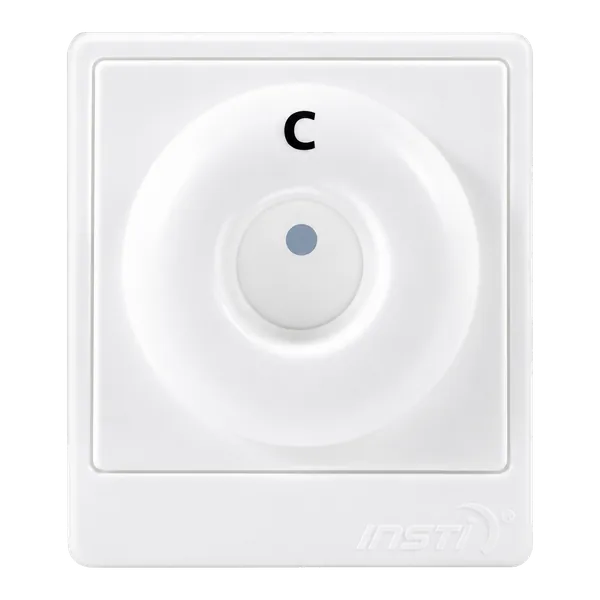
Słabo widoczna kropka kontrolna zwykle nadal oznacza, że test zadziałał prawidłowo. Jeśli kropka kontrolna jest wyraźnie widoczna (nawet jeśli jasna) i pod nią nie ma kropki testowej, wynik jest niereaktywny. W razie wątpliwości powtórz test z nowym zestawem lub wykonaj badanie potwierdzające w laboratorium.
Interpretacja wyniku
Test INSTI HIV Self Test daje jeden z trzech możliwych wyników. Poniżej wyjaśniamy, co oznacza każdy z nich i co zrobić dalej.
NIEREAKTYWNY
Niereaktywny — HIV prawdopodobnie nie wykryto
W momencie wykonywania testu nie wykryto przeciwciał HIV. W większości przypadków oznacza to, że nie masz HIV. Jeśli jednak możliwe narażenie miało miejsce w ciągu ostatnich 12 tygodni, przeciwciała mogą być jeszcze niewykrywalne.
Kolejne kroki
Jeśli test wykonano w okienku serologicznym, powtórz go po 12 tygodniach od ostatniego możliwego narażenia
Kontynuuj rutynowe testowanie odpowiednie do swojej sytuacji
Jeśli od narażenia minęło więcej niż 12 tygodni, nie są potrzebne żadne dalsze działania
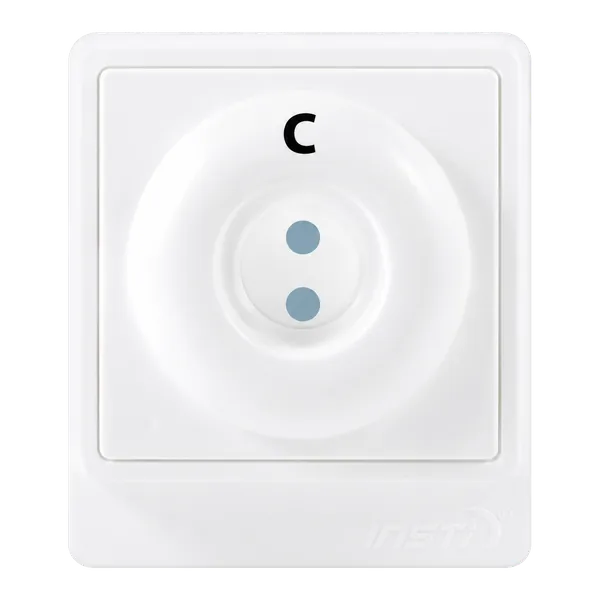
REAKTYWNY
Reaktywny — wynik wstępnie dodatni
Mogły zostać wykryte przeciwciała HIV. Jest to wynik wstępny, a nie diagnoza. Reaktywny wynik autotestu zawsze musi zostać potwierdzony badaniem krwi w laboratorium, zleconym przez lekarza.
Kolejne kroki
Skontaktuj się z lekarzem rodzinnym lub punktem konsultacyjno-diagnostycznym (PKD), aby wykonać badanie potwierdzające
Nie potwierdzaj wyniku kolejnym autotestem — konieczne jest badanie laboratoryjne
Nowoczesne leczenie HIV jest bardzo skuteczne; osoby zdiagnozowane wcześnie mogą prowadzić pełne, zdrowe życie
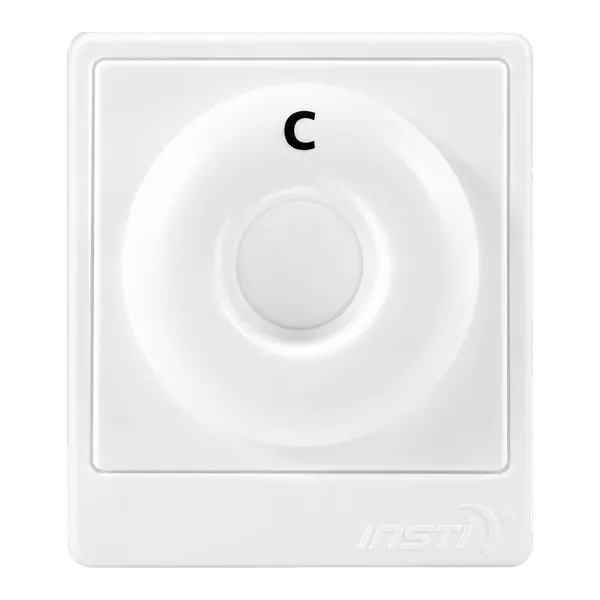
NIEWAŻNY
Nieważny — nie można odczytać wyniku testu
Test nie zadziałał prawidłowo. Wyniku nie można zinterpretować. Może to wynikać z niewystarczającej ilości krwi, błędu przy mieszaniu roztworów lub przeterminowanego zestawu.
Kolejne kroki
Powtórz test z nowym zestawem
Postępuj dokładnie zgodnie z instrukcją użytkowania
Jeśli kilkukrotnie wynik testu był nieważny, skontaktuj się z obsługą klienta pod adresem customer@one-self.nl
Najczęstsze problemy z testem i ich rozwiązywanie
Problem
Możliwa przyczyna
Zalecane działanie
Nie pojawia się kropka kontrolna
Błąd testu (za mało krwi lub błąd mieszania)
Powtórz test z nowym zestawem
Tylko dolna kropka, brak kropki kontrolnej
Wynik nieważny — kropka kontrolna się nie pojawiła
Powtórz test z nowym zestawem
Słabo widoczna dolna kropka, z wyraźną kropką kontrolną
Wynik reaktywny (słaba widoczność nie oznacza wyniku ujemnego)
Zgłoś się po potwierdzenie laboratoryjne
Rozmazany lub niewyraźny wynik
Błąd wykonania lub problem z roztworami
Powtórz test z nowym zestawem
Za mało pobranej krwi
Zbyt mała próbka
Powtórz badanie nowym zestawem; zastosuj się do powyższych wskazówek dotyczących pobierania krwi
Butelki użyte w niewłaściwej kolejności
Błąd procedury
Powtórz test z nowym zestawem
Test wykonany w okienku serologicznym
Przeciwciała mogą nie być jeszcze wykrywalne
Powtórz test po 12 tygodniach od ostatniej możliwej ekspozycji
Kiedy warto powtórzyć test?
Powtórzenie testu jest zalecane, jeśli zachodzi którakolwiek z poniższych sytuacji:
Test wykonano w ciągu 12 tygodni od ostatniego możliwego narażenia
Wynik był nieważny
Nie masz pewności, czy test został wykonany prawidłowo
Nadal występuje u Ciebie ryzyko narażenia na HIV
Po niedawnym możliwym narażeniu występują u Ciebie objawy, które mogą być związane z HIV
Zalecenia dotyczące rutynowego testowania
Co najmniej raz w roku w przypadku aktywnych seksualnie osób dorosłych
Co 3–6 miesięcy w przypadku podwyższonego ryzyka narażenia: mężczyźni mający kontakty seksualne z mężczyznami, z wieloma lub nowymi partnerami; osoby, których partner ma HIV z wykrywalną wiremią; osoby mające wielu partnerów seksualnych; osoby wspólnie używające sprzętu do iniekcji; a także osoby, u których niedawno rozpoznano inną infekcję przenoszoną drogą płciową
Po każdym możliwym narażeniu na HIV, z ponownym testem po 12 tygodniach, jeśli test wykonano w okienku serologicznym
Przed rozpoczęciem nowego związku seksualnego, jeśli któreś z partnerów nie ma pewności co do swojego statusu HIV
Kiedy test laboratoryjny na HIV jest lepszym rozwiązaniem?
Test laboratoryjny na HIV (wykonywany w placówce medycznej lub zlecony przez lekarza) może być lepszym rozwiązaniem niż autotest w następujących sytuacjach:
Możliwe narażenie miało miejsce bardzo niedawno — w ciągu ostatnich 12 tygodni, a zwłaszcza w ciągu pierwszych 4 tygodni
Występują u Ciebie niepokojące objawy (gorączka, wysypka, powiększone węzły chłonne, zmęczenie) i doszło niedawno do możliwego narażenia
Potrzebujesz wcześniejszego wykrycia HIV — testy laboratoryjne mogą wykryć HIV wcześniej niż autotesty na przeciwciała, często już w ciągu kilku tygodni od narażenia
Lekarz zalecił Ci wykonanie testu
Wolisz wsparcie i poradnictwo w bezpośrednim kontakcie
Testujesz się w ramach regularnej opieki nad zdrowiem seksualnym lub po narażeniu podczas kontaktu z partnerem lub partnerką z rozpoznanym zakażeniem HIV
Mówimy o tym otwarcie: testy laboratoryjne mogą wykryć HIV wcześniej niż autotesty i zapewniają dodatkowe wsparcie. Test INSTI HIV Self Test to prywatna, łatwo dostępna opcja, ale nie w każdej sytuacji jest najlepszym wyborem.
Po teście
Co zrobić po otrzymaniu wyniku reaktywnego?
Reaktywny wynik autotestu zawsze musi zostać potwierdzony badaniem laboratoryjnym. Nie panikuj i nie potwierdzaj wyniku kolejnym autotestem. W ciągu najbliższych kilku dni skontaktuj się z lekarzem rodzinnym lub punktem konsultacyjno-diagnostycznym (PKD); poinformuj, że Twój autotest dał wynik reaktywny i że potrzebujesz badania potwierdzającego; tam zostanie zorganizowane laboratoryjne badanie krwi, zwykle w ciągu kilku dni. W oczekiwaniu na wynik: nowoczesne leczenie HIV jest bardzo skuteczne, a osoby zdiagnozowane wcześnie mogą cieszyć się normalną długością życia. Unikaj stosunków bez prezerwatywy do czasu poznania potwierdzonego statusu, aby chronić ewentualnych partnerów w okresie niepewności.
Czy mój partner lub partnerka też powinni się przetestować?
Jeśli wynik jest niereaktywny: wspólne testowanie z partnerem lub partnerką może pomóc obu osobom poznać swój status i podejmować świadome decyzje dotyczące zdrowia seksualnego. Jeśli wynik jest reaktywny: tak, obecni i niedawni partnerzy seksualni (zwykle z ostatnich 12 miesięcy, ale lekarz może doradzić inny okres) powinni jak najszybciej rozważyć wykonanie testu. W wielu krajach dostępne są poufne usługi powiadamiania partnerów, które mogą w tym pomóc.
Jak często należy testować się na HIV?
Częstotliwość testowania zależy od indywidualnej sytuacji: co najmniej raz w roku w przypadku aktywnych seksualnie dorosłych, co 3–6 miesięcy w grupach podwyższonego ryzyka (zob. sekcję o okienku serologicznym powyżej), po każdym możliwym narażeniu na HIV oraz przed rozpoczęciem nowego związku seksualnego, jeśli któreś z partnerów nie ma pewności co do swojego statusu.
Czego nie obejmuje ta strona
Ta strona skupia się na pytaniach związanych z testowaniem. Informacje na inne tematy:
Profilaktyka przedekspozycyjna (PrEP) — porozmawiaj z lekarzem lub w punkcie konsultacyjno-diagnostycznym (PKD)
Leczenie HIV — najlepszym punktem wyjścia jest rozmowa z lekarzem
Potrzebujesz zapasowego testu lub chcesz powtórzyć test później?
Możesz mieć pod ręką test INSTI HIV Self Test na wypadek rutynowego powtórnego testowania lub jako zapas. Przesyłka w neutralnym opakowaniu bez oznaczeń.
Ta strona ma charakter wyłącznie informacyjny i nie zastępuje porady medycznej. Jeśli niepokoisz się o HIV lub swoje zdrowie, skontaktuj się z lekarzem lub punktem konsultacyjno-diagnostycznym (PKD).
Jeśli doszło do możliwego narażenia w ciągu ostatnich 72 godzin, nie zwlekaj — pilnie zgłoś się po poradę dotyczącą PEP do szpitalnego oddziału chorób zakaźnych (prowadzącego leczenie antyretrowirusowe) lub na szpitalny oddział ratunkowy (SOR).
Ta strona została ostatnio zaktualizowana: maj 2026. Aby zapoznać się z naszym procesem redakcyjnym, zobacz
standardy redakcyjne.
Twój wybór dotyczący plików cookie
Używamy plików cookie do celów analitycznych i reklamowych, aby analizować i ulepszać działanie tej strony. Decyzja należy do Ciebie. Polityka prywatności